

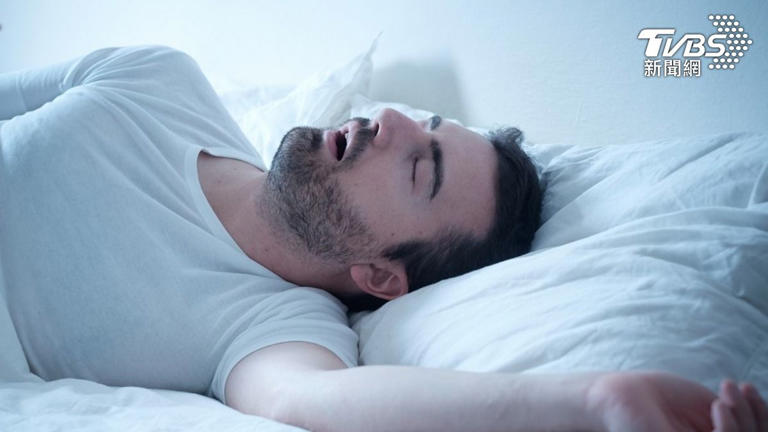
Thousands of Vibrations per Second! Snoring Accelerates Arterial Hardening and Greatly Increases Stroke Risk
Key Points Summary
Vibrations caused by snoring can impact the carotid arteries hundreds to thousands of times per second, potentially damaging vascular endothelium and increasing the risk of stroke and cardiovascular diseases.
- The prevalence of chronic insomnia in Taiwan is about 10.7%, with snoring being common yet often overlooked.
- Snoring is a key indicator of sleep apnea and is closely associated with chronic conditions such as hypertension, cardiovascular disease, and diabetes.
- A medical-grade sleep cloud system has been introduced in Taiwan, integrating wireless sensing and cloud technology to assist physicians in analyzing sleep conditions and enabling remote monitoring.
Many people believe that snoring simply means sleeping soundly and comfortably. However, it may actually be a warning signal from your body.
Dr. Chuang Li-Bang, Chairman of the Taiwan Society of Sleep Medicine, pointed out that snoring is essentially caused by vibrations generated when airflow passes through the upper airway. These vibrations can impact the carotid arteries hundreds to thousands of times per second, creating a so-called “micro-earthquake effect.” Over time, this may lead to endothelial damage and increase the risk of stroke and cardiovascular diseases.
Sleep Crisis: 1 in 10 People Suffers from Chronic Insomnia
Dr. Chuang noted that the prevalence of chronic insomnia in Taiwan is approximately 10.7%, affecting around 2.15 million people, with men and women accounting for about 60% and 40%, respectively. Among these individuals, snoring is particularly common; however, most people tend to overlook the potential health risks behind it.
Snoring as a Warning Sign for Vascular Health: Increased Risk of Stroke and Cardiovascular Disease
Sleep medicine specialist Dr. Li Li-Ang further emphasized that snoring not only disturbs others but can also harm one’s own health. It is an important clinical indicator of sleep apnea and is closely linked to chronic conditions such as hypertension, cardiovascular diseases, and diabetes.
Professor Li Hsueh-Yu from the Taiwan Society of Sleep Medicine added that studies show snoring vibrations can strike the carotid arteries hundreds to thousands of times per second, producing a “micro-earthquake effect.” Over time, this may result in endothelial damage, thickening, and even aging of the arterial walls, thereby increasing the risk of stroke and cardiovascular diseases. Additionally, research indicates that up to two-thirds of patients with early-stage obstructive sleep apnea may already have underlying risks of arterial hardening.
Nation’s First Medical-Grade Sleep Cloud Enables Remote Home Monitoring
Since 2023, LARGAN Health AI-TECH has launched the nation’s first medical-grade sleep cloud system. By integrating wireless sensing and cloud technology, it records nighttime physiological signals without disrupting sleep, helping physicians analyze sleep conditions and earning certification from the Taiwan Society of Sleep Medicine.
In 2026, an upgraded version was introduced, adding the nation’s first “Snore Cloud” and snore energy analysis function. Patients can now use a mobile app to conduct multi-night continuous monitoring at home, with data automatically transmitted to medical institutions. This allows physicians to monitor conditions in real time, provide timely alerts, and conduct more effective long-term follow-up.