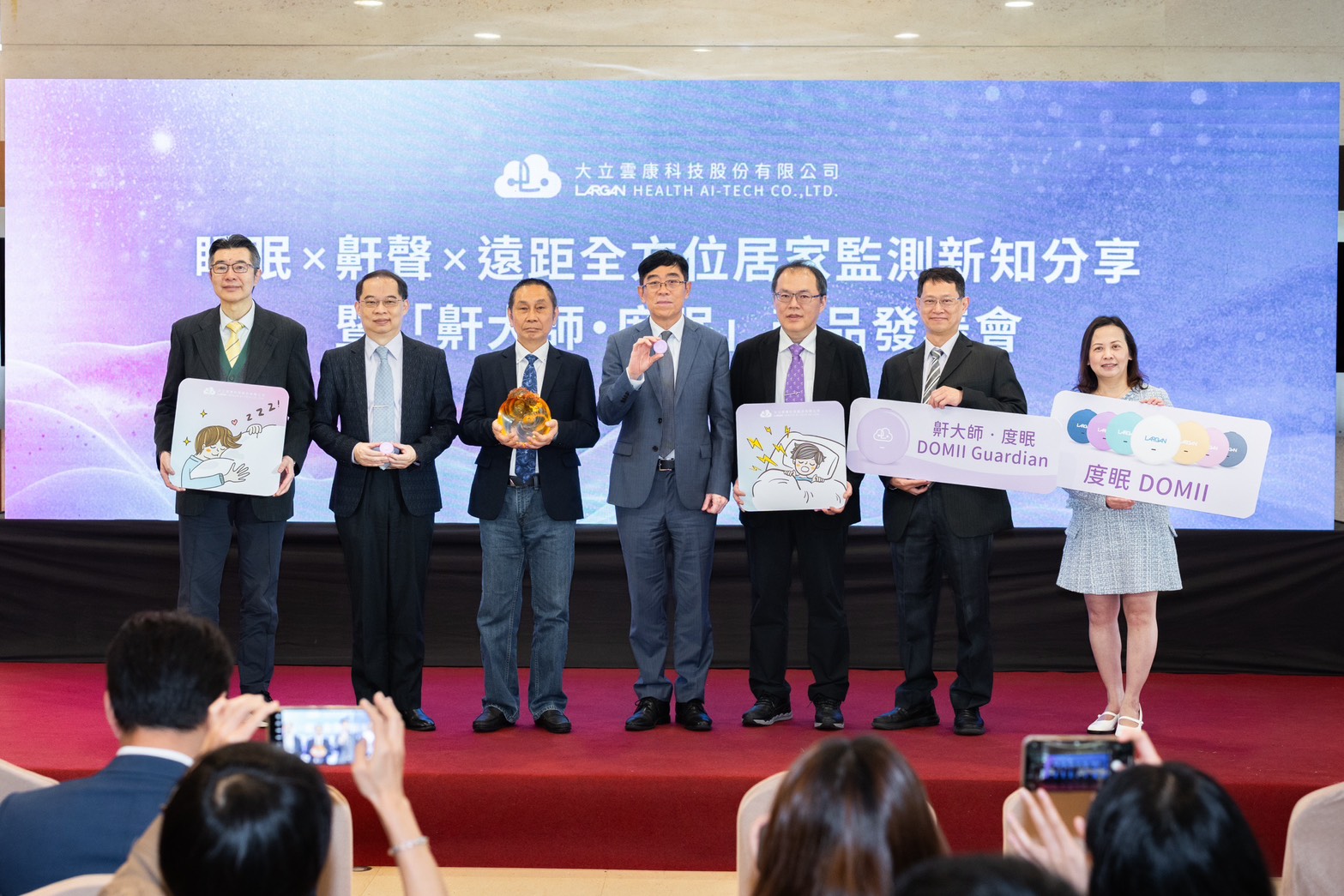

Snoring During Sleep May Signal Hidden Health Risks — “Snore Master • DOMII” Introduces the First Snore Energy Analysis to Help Predict Cardiovascular Risk
Quality sleep is essential to good health. However, persistent snoring does not necessarily indicate restful sleep—it may instead be a warning sign from the body. Studies suggest that snoring is essentially vibration energy generated as airflow passes through the upper airway. These vibrations are transmitted through surrounding tissues and repeatedly impact the adjacent carotid artery walls, producing hundreds to thousands of micro-vibrations per second. This so-called “micro-earthquake effect” directly affects blood vessels and, over time, may lead to endothelial damage, thickening, and aging of the carotid artery walls, thereby increasing the risk of stroke and cardiovascular diseases.
Dr. Chuang Li-Bang, Chairman of the Taiwan Society of Sleep Medicine, noted that sleep disorders are becoming an increasingly significant public health concern. Statistics show that the prevalence of chronic insomnia in Taiwan is approximately 10.7%, affecting around 2.15 million people. Among these, snoring is particularly common, accounting for roughly 60% in men and 40% in women. However, most individuals tend to overlook the potential health risks associated with snoring.
Nation’s First Medical-Grade Sleep Cloud Expands with “Snore Cloud,” Creating a New Model for Continuous Remote Home Monitoring
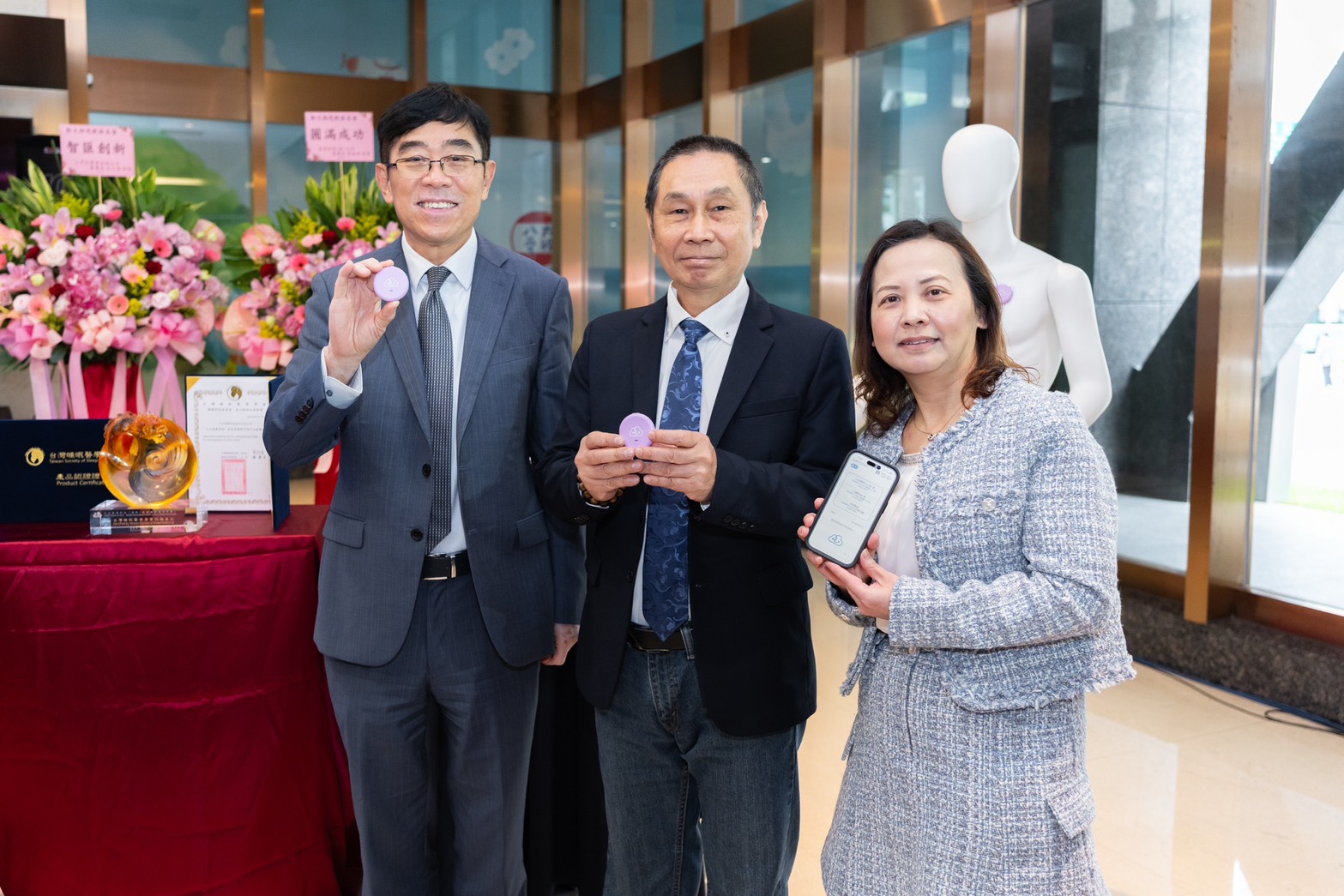
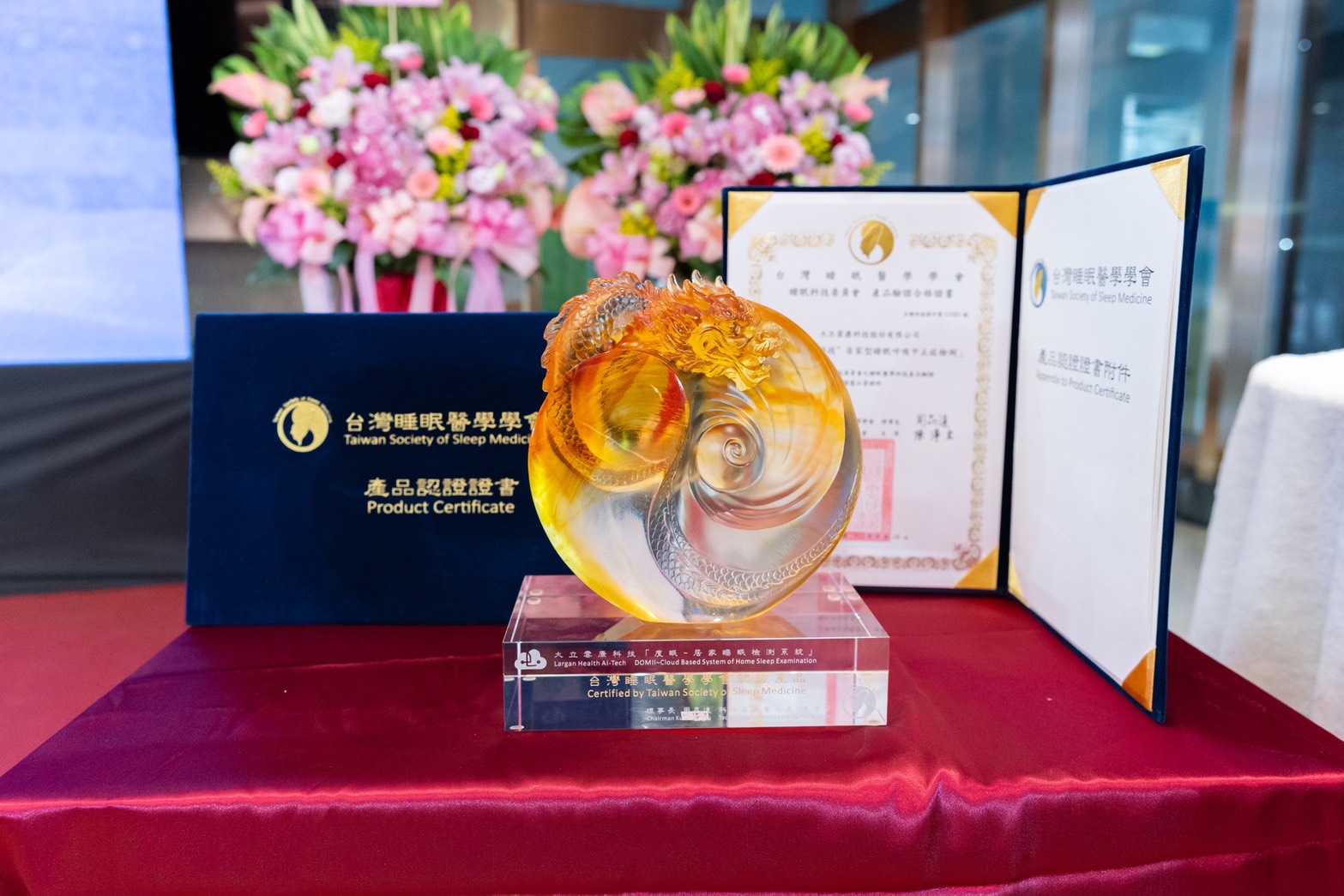
To improve the efficiency of sleep health monitoring, LARGAN Health AI-TECH launched the nation’s first medical-grade sleep cloud system, “DOMII,” in 2023. By integrating wireless sensing and cloud technology, the system records nocturnal physiological signals without disrupting sleep, assisting physicians in analyzing sleep conditions. It has also become the first home sleep testing product in Taiwan to receive certification from the Taiwan Society of Sleep Medicine.
After three years of clinical data collection and development, the company introduced an upgraded version in 2026: “Snore Master • DOMII Guardian.” Building upon its existing capabilities—such as synchronized monitoring of sleep architecture, sleep apnea, ECG signals, and blood oxygen levels—the new version expands the “Snore Cloud” and introduces the nation’s first snore energy analysis function along with a remote monitoring system. Patients can perform multi-night continuous monitoring at home via a mobile app, with data uploaded daily to medical institutions. Healthcare professionals can track patient conditions in real time and provide timely alerts, while physicians can use long-term data for more accurate diagnosis and follow-up.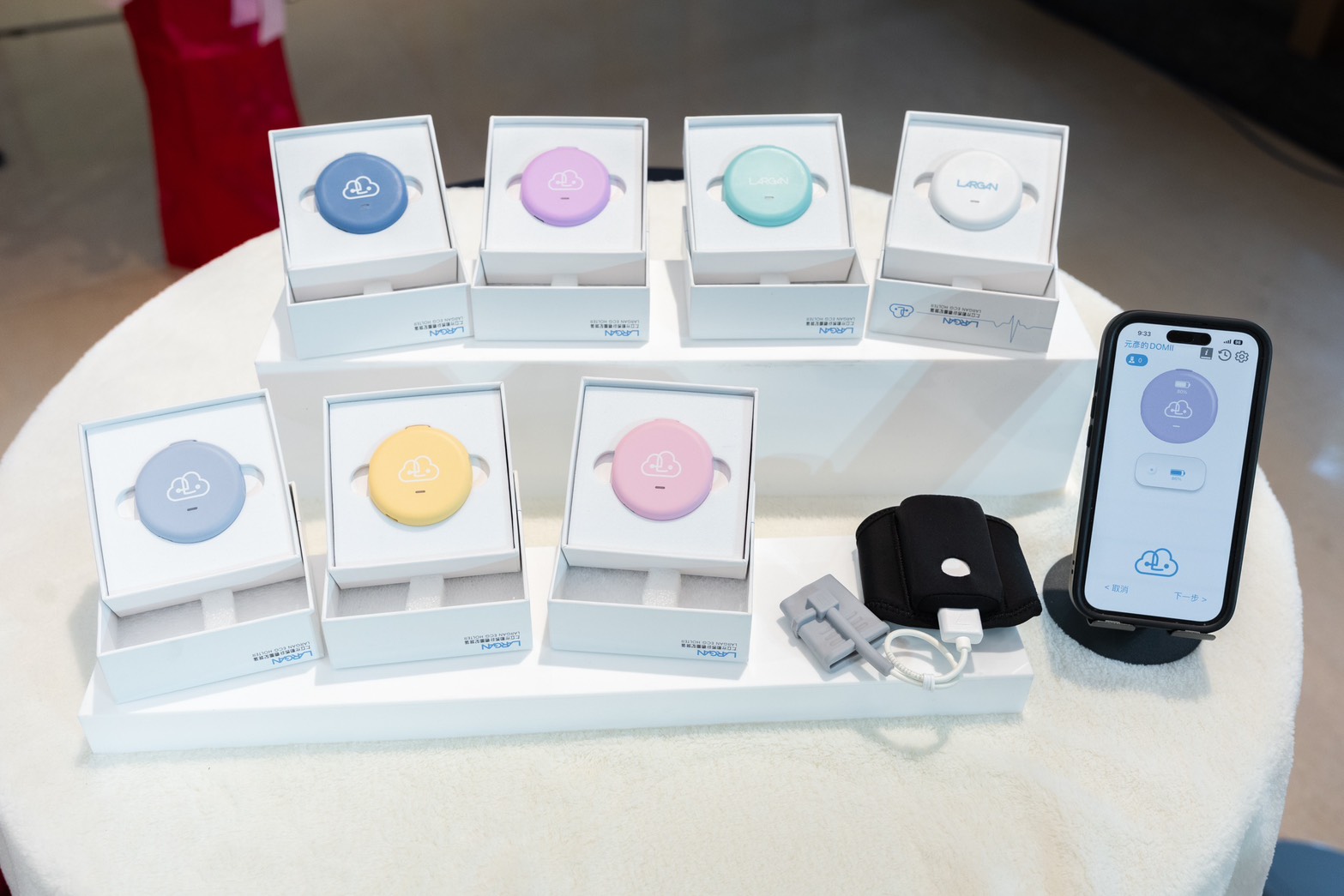
Dr. Li Li-Ang from the School of Medicine at National Tsing Hua University explained that traditional snoring tests required patients to spend a night in a sleep center connected to multiple sensors, or wear neck-based devices—both of which often caused discomfort and reluctance. Home-based sleep testing also required returning equipment to the hospital after a single use, and poor signal quality could necessitate repeated testing, increasing burdens on both patients and healthcare staff while delaying diagnosis. The “Snore Master • DOMII Guardian” addresses these challenges by making snoring detection more comfortable and enabling early identification of abnormal signals, significantly improving convenience and continuity of monitoring.
Acoustic Research on Snoring Lays the Foundation for New Medical Applications
Both domestic and international research have accumulated extensive knowledge in the field of snoring acoustics. By combining clinical medicine with acoustic analysis, snoring analysis technology can accurately identify the source of snoring and the location of airway obstruction. This not only provides a new perspective for diagnosing sleep-disordered breathing but also establishes a foundation for broader acoustic-based medical applications.
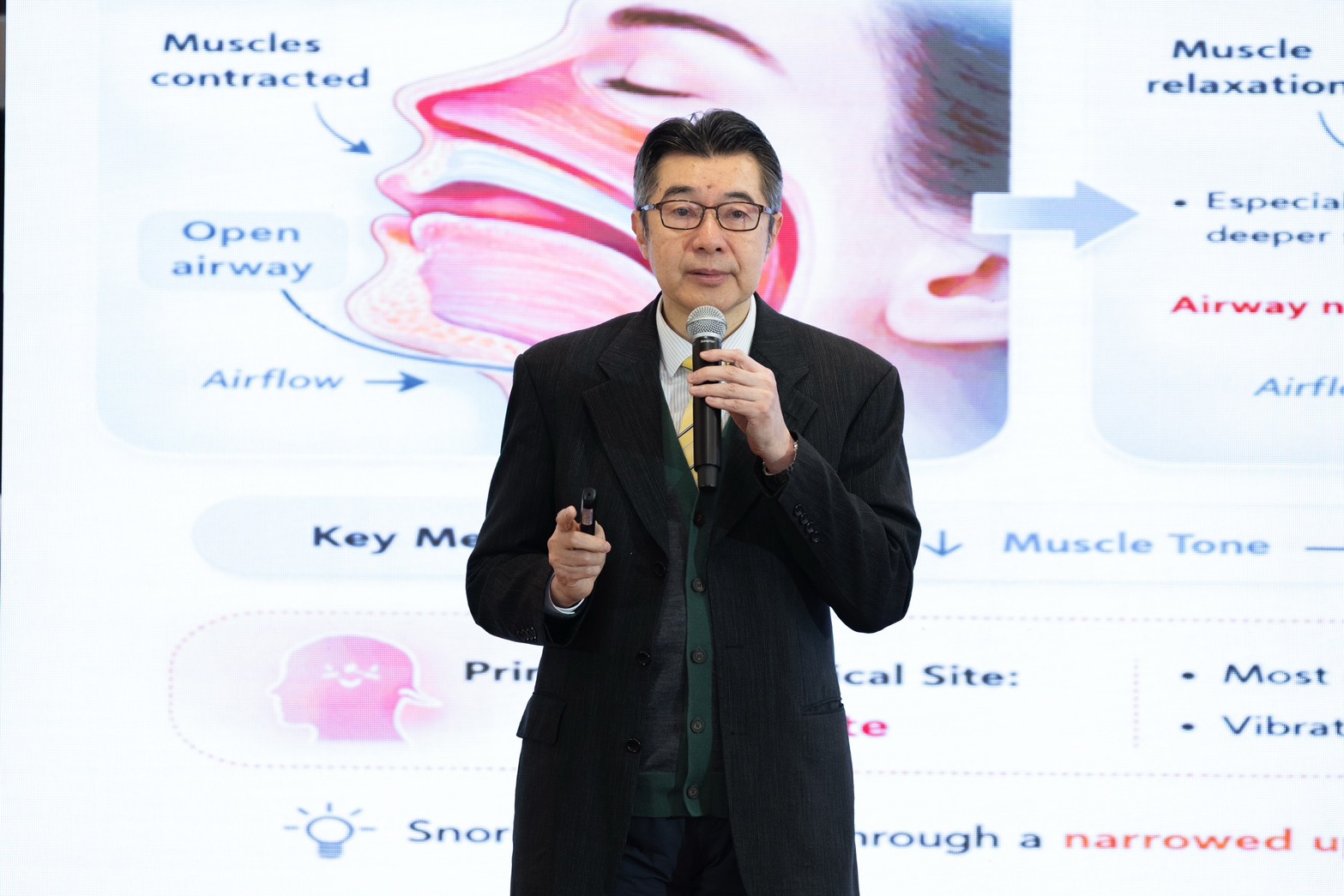
Dr. Li Kuo-Hsi noted that studies on the acoustic position and frequency-energy distribution of snoring reveal that different airway obstructions produce distinct acoustic characteristics. For example, low-frequency snoring is typically associated with vibrations of the soft palate or uvula, mid-frequency snoring with the tonsils or epiglottis, and high-frequency snoring with the base of the tongue. Therefore, analyzing snoring sounds enables precise identification of the obstruction site.
Snoring as a Health Warning: Acoustic Analysis Enables Early Detection of Carotid Atherosclerosis Risk
Dr. Li Li-Ang emphasized that snoring is not only disruptive to others but also harmful to oneself. It is not only a key clinical indicator of sleep apnea but is also closely associated with chronic conditions such as hypertension, cardiovascular diseases, and diabetes. Years of medical research have shown that certain snoring patterns may serve as significant independent risk factors for carotid atherosclerosis. As a result, snoring is increasingly regarded in clinical practice as an important health risk signal with strong implications for stroke prevention.
Professor Li Hsueh-Yu from the Taiwan Society of Sleep Medicine further explained that screening through snoring spectrum and energy analysis can help determine whether snoring vibrations possess characteristics that may damage blood vessels. This approach may allow early warnings before visible thickening or structural changes occur in the carotid arteries. As a result, comprehensive sleep monitoring—including snoring analysis—has evolved from merely assessing sleep quality to becoming an important tool for cardiovascular risk prediction. Research indicates that up to two-thirds of patients with early-stage obstructive sleep apnea may already have underlying risks of vascular hardening.
Home Sleep Monitoring Advances Toward Preventive Medicine: Continuous, Comprehensive Tracking via Sleep Cloud and Snore Cloud Becomes a New Trend
With ongoing innovation in home sleep testing, Dali Yunkang Technology has enhanced its existing “DOMII” system by integrating snore energy analysis and remote continuous monitoring technology. The upgraded “Snore Master • DOMII Guardian” marks a significant step toward preventive medicine in comprehensive home sleep monitoring. It not only serves as a powerful diagnostic support tool for sleep physicians, safeguarding public sleep health, but also opens new possibilities for early detection and management of cardiovascular diseases.